
- Your cart is empty
- Continue shopping
-
KN
- Posted on
- Categories:Blog
- 0 comments
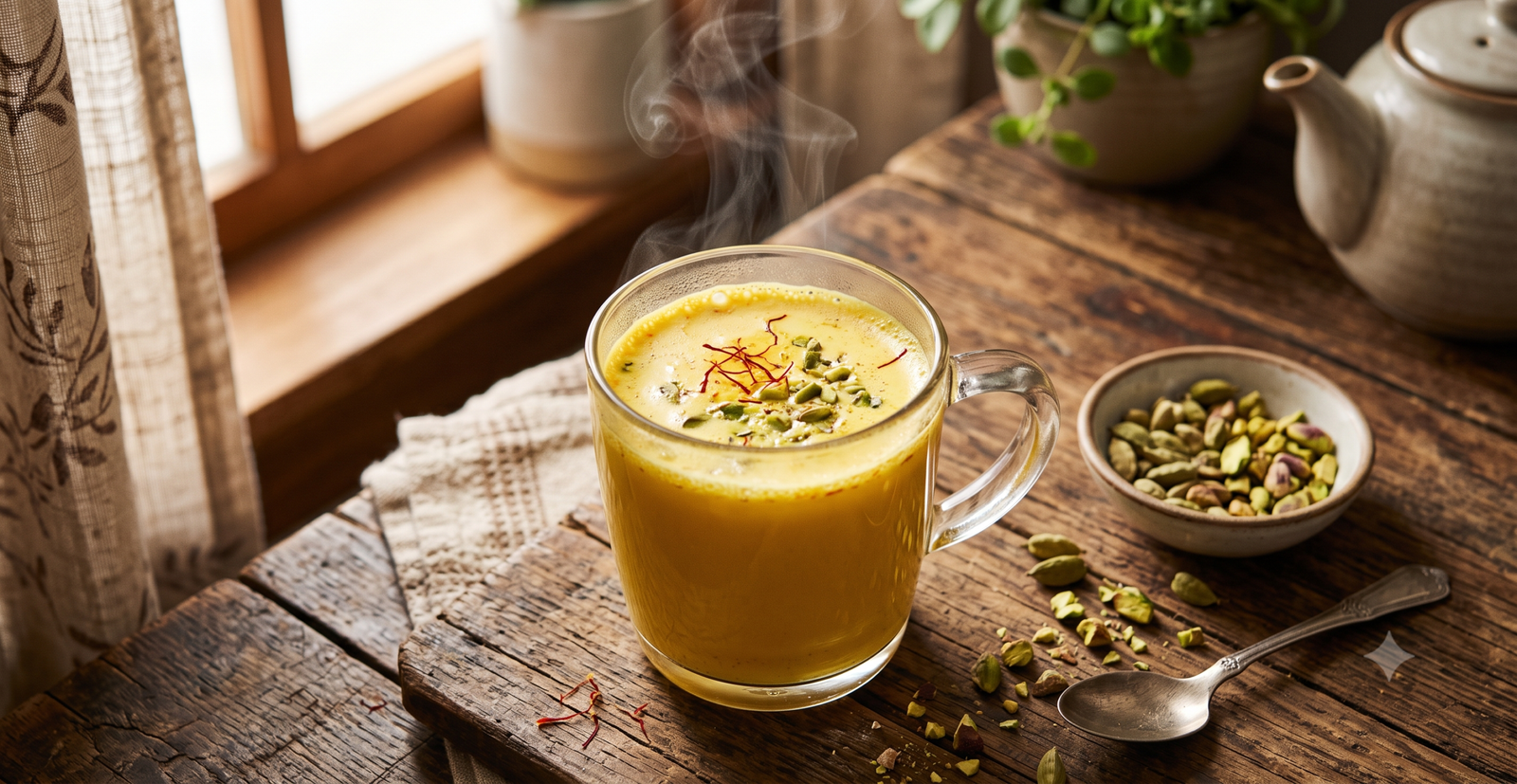
A few strands of real Kashmiri saffron can turn an ordinary dish into something memorable. Grown in the saffron fields of Pampore, Kashmiri kesar is prized worldwide for its deep red-gold color, strong aroma, and rich flavor — but most people only ever use it in one or two dishes.
Here are five easy recipes using Kashmiri saffron that you can make at home this week, whether you’re cooking for guests or just want a comforting cup of Kesar Doodh on a cold evening.
1. Kesar Doodh (Saffron Milk)
The simplest and most popular way to use Kashmiri saffron. This is the drink most Kashmiri households swear by for immunity and better sleep.
How to make it:
- Warm 1 cup of full-fat milk on low heat.
- Add 4–5 strands of Kashmiri saffron and let it steep for 5 minutes.
- Stir in a teaspoon of honey or sugar, and a pinch of crushed cardamom.
- Serve warm before bed or first thing in the morning.
Why it works: Warm milk helps release saffron’s natural compounds, giving you the full color and aroma instead of a faint tint.
2. Kesar Rice (Saffron Rice)
A festive, fragrant side dish that pairs beautifully with any curry or biryani, and it takes less than 30 minutes.
How to make it:
- Soak a pinch of saffron strands in 2 tablespoons of warm milk for 10 minutes.
- Cook 1 cup of basmati rice as usual.
- Once the rice is 80% done, drizzle the saffron milk over it and gently fold it in.
- Garnish with fried cashews, raisins, and a dash of ghee before serving.
Why it works: Soaking saffron in warm milk (not water) first draws out more color and flavor before it touches the rice.
3. Saffron Lassi
A refreshing, slightly royal twist on the classic North Indian yogurt drink — perfect for summer or as a starter for a special meal.
How to make it:
- Soak 3–4 strands of saffron in 1 tablespoon of warm milk.
- Blend 1 cup of thick yogurt, the saffron milk, 2 tablespoons of sugar, and a few crushed pistachios.
- Add ice and blend again until frothy.
- Serve chilled, garnished with a few extra saffron strands on top.
Why it works: The tang of yogurt balances saffron’s earthy sweetness, making this a crowd-pleaser even for people trying saffron for the first time.
4. Kesar Badam Halwa
A rich, indulgent dessert that’s a staple at Kashmiri celebrations and festivals — and easier to make than it looks.
How to make it:
- Soak 1/2 cup almonds in hot water for 20 minutes, then peel and grind into a coarse paste.
- Heat 2 tablespoons of ghee in a pan and roast the almond paste until fragrant.
- Add 1/2 cup sugar, 1/2 cup milk, and a pinch of saffron soaked in warm milk.
- Cook on low heat, stirring continuously, until it thickens into a glossy halwa.
- Garnish with slivered almonds and a few saffron strands.
Why it works: Using real Mamra or Kashmiri almonds alongside saffron gives this halwa a naturally rich texture without needing excess sugar or khoya.
5. Saffron Tea (Kahwa-Style)
Inspired by traditional Kashmiri Kahwa, this lighter, aromatic tea is a great alternative to regular chai — and genuinely soothing in winter.
How to make it:
- Boil 2 cups of water with a small cinnamon stick, 2 cardamom pods, and a few strands of saffron.
- Let it simmer for 5 minutes until the water turns golden.
- Strain into cups and add a teaspoon of honey.
- Top with slivered almonds for a traditional Kahwa touch.
Why it works: Unlike regular tea, Kahwa is green-tea based and lets saffron’s flavor come through clearly instead of being masked by strong black tea.
How to Pick Saffron That Actually Works in These Recipes
The recipes above only turn out well with real, pure Kashmiri saffron — not the diluted or artificially colored saffron sold cheaply online. Genuine Kashmiri Mongra saffron has deep red strands with slightly orange tips, a strong honey-like aroma, and releases color slowly (not instantly) when added to warm water or milk. If your saffron colors water immediately and heavily, it’s likely adulterated.
Frequently Asked Questions
How many saffron strands should I use per recipe?
For most recipes, 4–6 strands per cup of liquid is enough. Saffron is potent — more isn’t always better, and too much can turn a dish bitter.
Should I soak saffron in water or milk?
Milk is better for desserts, rice, and drinks since it draws out both color and flavor. Water works fine for teas and savory dishes.
Can I use Kashmiri saffron daily?
Yes, in small amounts (a few strands a day) it’s commonly used in Kashmiri households, especially in milk or tea. As with any spice, moderation is key.
How do I store Kashmiri saffron to keep it fresh?
Keep it in an airtight container, away from direct sunlight and moisture, ideally in a cool, dry place — this preserves its color and aroma for over a year.
