
- Your cart is empty
- Continue shopping
-
KN
- Posted on
- Categories:Blog
- 0 comments
I am done. Absolutely, completely done.
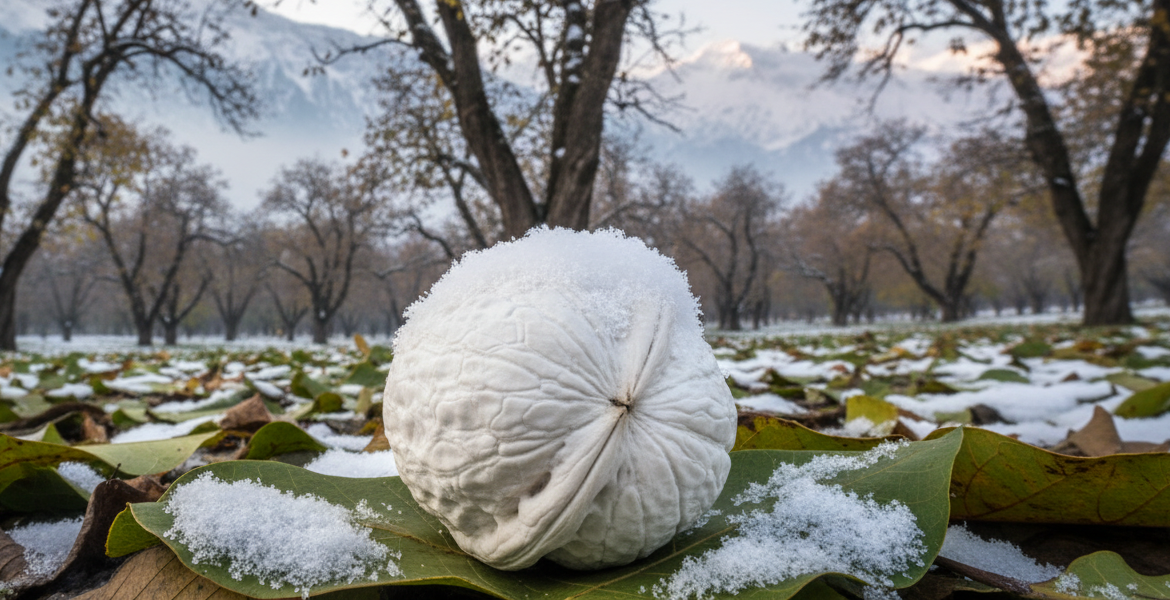
Like many health-conscious consumers, I am a devotee of the Kashmiri Walnut. I know the lore: grown in pristine Himalayan soil, bursting with genuine Omega-3s, and hand-cracked for maximum purity. When you seek the best, you look for the highest grade: the “Snow White” Half Kernel (Akhrot Giri). That name evokes images of creamy, pristine white kernels, perfect halves, and a flavour that whispers of mountain air.
So, I pay the exorbitant premium. I shell out what amounts to the cost of a gourmet meal for a mere bag of nuts, telling myself, “It’s an investment in health. It’s the best.”
But what arrives? What truly arrives? A dismal, broken, beige disappointment.
The Great Kashmiri Walnut Bait-and-Switch
The biggest betrayal in the dry fruit aisle is the blatant mislabeling of “Snow White” walnuts. This isn’t just about a slightly off-white hue—this is about selling a low-grade product at a luxury price point.
1. The Color Crime: Where is the “Snow”?
“Snow White” or “Milky” grade is supposed to be pristine. It’s a coveted color achieved by careful and timely harvesting and processing. The product I (and countless other consumers) receive is often:
- Dark Amber or Yellowish: A clear sign of age, oxidation, or improper storage.
- Mottled Brown: Indicating that the kernels were either harvested late or processed poorly.
The seller knows the word “Snow White” commands a premium of 50-100% over the regular Light Amber grade, but they ship a product that barely qualifies as Light Brown. We are paying for a Rolls-Royce and receiving a rusty scooter, simply based on a misleading label.
2. The Broken Promise: Halves? More Like Quarters.
I pay for “Walnut Halves”—the signature, brain-shaped pieces. These require meticulous hand-cracking and careful handling, which is what justifies the price. Instead, the bag is full of broken quarters, eights, and dust (Tukda).
This isn’t just cosmetic. The smaller the pieces, the faster the natural oils oxidize. You end up with a high-priced product that goes rancid faster, tastes stale, and is simply not what you ordered. The value is zero, but the price tag is still sky-high.
The Price vs. Value Crisis for the Consumer
The outrage isn’t just about color; it’s about the financial insult. Kashmiri walnuts are already the most expensive on the market due to their organic nature and high Omega-3 fatty acid (ALA) content. When you factor in the quality discrepancy, the price becomes ludicrous.
We are seeing prices hovering around ₹1,800 to ₹2,500 per kilogram for “Snow White” kernels. The price is based on the expectation of perfection, yet the received quality is that of the cheapest imported broken kernels, which sell for significantly less.
This is not sustainable. Consumers will eventually stop paying a premium for a label they can’t trust. Why should I pay twice the price for a Kashmiri walnut that looks and tastes inferior to a cheaper, mass-produced Californian or Chilean variety that at least delivers consistency in shape and color?
The Real Threat: Authentic Farmers are Losing
This consumer anger has a deeper, more tragic root: the failure to protect the authenticity of the genuine Kashmiri product.
The real, organically grown, high-oil-content Kashmiri walnut is a nutritional masterpiece. It is naturally rich in essential oils (up to 70% oil content, compared to 40-50% in Californian walnuts) and is grown without the chemicals common in large commercial orchards. This true heritage product deserves its premium price.
The problem lies with a lack of strict grading and quality control in the final supply chain:
- The Fakers: Unscrupulous traders mix low-quality, darker nuts into “Snow White” batches to maximize profit margins.
- The Imports: The market is flooded with cheaper, uniform-looking foreign walnuts, often treated with chemicals like hydrogen peroxide to achieve a “snow white” look. This forces the genuine Kashmiri product to compete on appearance, leading to corners being cut in processing, further diminishing its natural quality.
By allowing this widespread quality deception, we are not only defrauding the consumer, but we are also harming the reputation of the honest Kashmiri farmer who works hard to cultivate this superior, organic nut. The brand equity of Kashmir is being eroded, turning a symbol of purity into a cautionary tale of a market scam.
My Demand: Transparency and Accountability
To the distributors, the online vendors, and the regulatory bodies: Stop the deception!
- Enforce Grading: If you label it “Snow White Half,” it must meet the standard for both color (Milky/Pristine White) and integrity (at least 80% whole or half kernels).
- Prove Authenticity: We need clearer Geographical Indication (GI) tags and traceability to ensure we are buying the superior, naturally-oily Kashmiri product, not a processed, bleached imposter.
- Respect the Price: If you demand a luxury price, you must deliver a luxury product. Anything less is a scam.
I want the legendary Kashmiri walnut. I am willing to pay for it. But I will not continue to pay a premium for broken pieces and deceptive labeling. Consumers deserve the pure, white, brain-healthy perfection that the name “Kashmiri Snow White” promises. Until then, consider this my loud, digital boycott!
